

New Delhi:
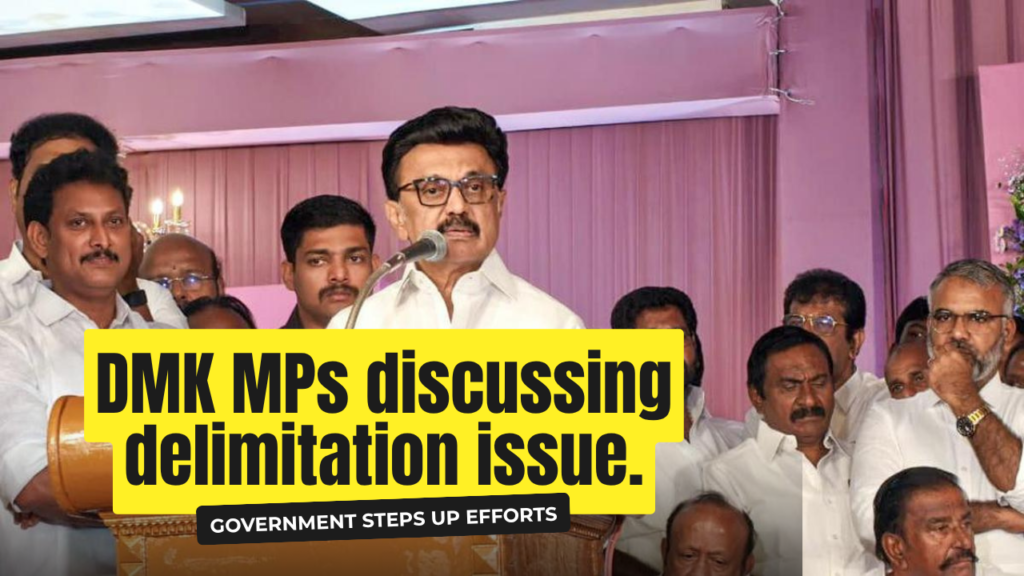
The DMK has set out three conditions for the Centre in return for its support on the Delimitation Bill. This is happening as the government is working harder to create agreement for the constitutional change before the 2029 general election.
The Three Conditions
According to DMK sources the first demand from the party is to extend the freeze on the number of parliamentary seats. This freeze is based on the 1971 Census. Is set to end in 2027. The DMK wants this freeze to continue for another 25 years through a change. The second condition is for a uniform 50% increase in Lok Sabha seats in all states. The party says that Union Home Minister Amit Shah had promised this when the legislative package on delimitation was discussed in Parliament this year. The third condition is for the Centre to publish the list of revised Lok Sabha constituencies for all states along with the new law instead of leaving the details for a later time.
Why Delimitation Is a Problem
Delimitation means changing the boundaries of Assembly constituencies based on the latest population data. Southern states, including Tamil Nadu have been worried that a new delimitation exercise based on population could lower their share of Lok Sabha seats compared to states that have higher population growth. This is because southern states have done well with family planning in the past.
The Numbers Game
The Constitution (131st Amendment) Bill needs a two-thirds majority in both the Lok Sabha and Rajya Sabha to pass. The NDA currently has around 319 to 341 seats depending on party alliances. The DMK has 22 Lok Sabha MPs, which would help the government significantly. This makes the partys support important even though it would not alone get the two-thirds majority.
A Careful Conditioned Change
DMK leaders have said that any support for the Bill should not be seen as the party moving to the BJP. They have stressed that their position depends on whether the final law deals with Tamil Nadus main concerns. A senior Congress leader, P. Chidambaram had earlier told the DMK not to support the bill without constitutional protections. This shows the worry among opposition parties about the effect of this exercise, on southern states.
Note: This report is based on what DMK sources have said and what is known at the time of publishing. The partys final position will depend on the details of the Bill when it is introduced.