

Two oil tankers carrying Saudi crude destined for China and India made abrupt U-turns in the Red Sea on Tuesday, opting to reroute via the Suez Canal rather than risk passing along the Yemeni coastline, after Yemen’s Iran-aligned Houthi rebels declared a naval blockade against Saudi Arabia. The development threatens to compound an already severe disruption to global energy markets stemming from the ongoing closure of the Strait of Hormuz.
What Happened
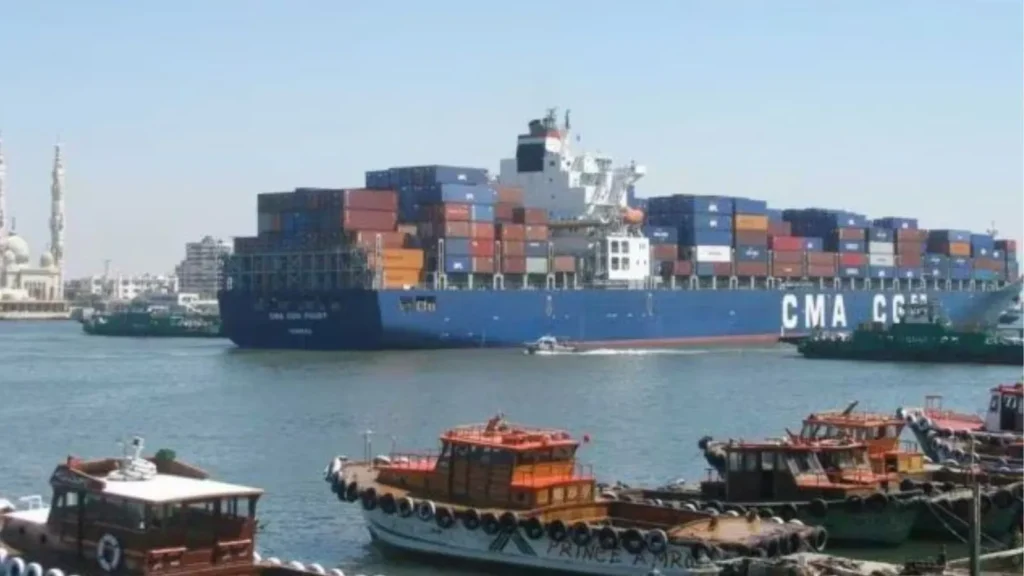
The two vessels involved, identified as the Xin Long Yang and the Rodos, had both loaded crude oil at Saudi Arabia’s Red Sea port of Yanbu before reversing course and heading back toward the Suez Canal instead of continuing south through the Bab el-Mandeb Strait into the Indian Ocean, the route that would typically be used to reach customers in India and China. The decision to turn back reflects the immediate and tangible impact the Houthi announcement has already had on commercial shipping operators, even before any actual attack has taken place.
The Houthis, who control large parts of northern and western Yemen, including its Red Sea coastline, announced the naval blockade against Saudi Arabia on Monday. In an email sent directly to shipping companies, the group explicitly warned them against loading or discharging cargo at Saudi Arabian ports, cautioning that such activity could result in vessels being targeted “in any location.”
A Second Front Alongside the Hormuz Crisis
The rerouting of these tankers signals a potentially serious second disruption to global shipping, one that could significantly compound the energy market shortfall already caused by the ongoing closure of the Strait of Hormuz amid the broader U.S.-Iran conflict. Should tankers be forced to rely on the Suez Canal route rather than exiting the Red Sea through the Bab el-Mandeb Strait, the resulting detour, requiring vessels to sail through the Mediterranean and around the African continent, would add weeks to shipment times for customers across Asia, including India and China, two of the world’s largest crude oil importers.
Is the Blockade Actually Being Enforced?
Despite the Houthi announcement, shipping industry sources indicate that operations at Yanbu port have continued for vessels already present in the Red Sea or arriving via the Suez Canal. Ship-tracking data reviewed by Reuters showed that at least one tanker, the Olympic Luck, which had already entered the Red Sea through Suez, was still proceeding toward Yanbu at the time of reporting, along with several other vessels that were already in the vicinity.
Shipbroker Clarksons noted in an analysis that an actual, fully enforced blockade appeared unlikely given the substantial military and logistical resources such an undertaking would require. However, the firm cautioned that even a limited escalation in hostilities could see the Houthis specifically targeting Saudi-associated vessels attempting to transit the Bab el-Mandeb Strait, a risk evidently significant enough to prompt at least two tankers to alter course pre-emptively.
Scale of Shipping Through the Region
According to available shipping data, an average of around 10 crude oil tankers have sailed from Saudi Arabia’s Red Sea ports in recent months, underscoring the scale of trade potentially affected should the Houthi blockade threat lead to a broader pattern of tankers rerouting or avoiding the region altogether.
Part of the Broader US-Israeli-Iran Conflict
The Houthis’ blockade declaration marks the opening of a potential new front connected to the ongoing U.S.-Israeli war with Iran, extending the threat to global energy supplies and trade well beyond the Persian Gulf and Strait of Hormuz, where tensions have already severely disrupted shipping in recent weeks. The Iran-aligned group has a well-documented history of targeting commercial shipping in the Red Sea and Gulf of Aden dating back to late 2023, when it began launching missile and drone strikes on vessels, initially framing its campaign as an act of solidarity with Palestinians amid the Israel-Hamas conflict in Gaza.
A Recurring Threat to India-Bound Shipping
This is far from the first time Indian-linked or India-bound shipping has been affected by Houthi activity in the Red Sea. Vessels travelling to Indian ports have previously come under direct attack in the region, including an April 2025 strike in which a Panama-flagged tanker travelling from Russia to Vadinar, India, sustained minor damage after being struck by Houthi ballistic missiles near Mocha, Yemen. An Indian-flagged crude oil tanker was also struck by a Houthi drone in December 2023 during an earlier phase of the group’s shipping campaign.
Why This Matters for India
India remains heavily dependent on crude oil imports to meet its energy needs, with Middle Eastern suppliers, including Saudi Arabia, forming a substantial share of the country’s overall crude sourcing. Any sustained disruption to shipping routes connecting Saudi ports to India, whether through direct attacks, active blockade enforcement, or simply the precautionary rerouting decisions already being made by tanker operators, carries the potential to affect fuel costs, delivery timelines, and broader energy security considerations for India at a moment when global oil markets are already under significant strain from the parallel Strait of Hormuz crisis.
What Happens Next
With shipping companies and tanker operators now closely monitoring the situation, further rerouting or precautionary measures are likely should the Houthi threat continue or escalate into actual attacks on Saudi-linked shipping. Given the compounding pressure this development places on global energy markets already strained by the Hormuz standoff, oil prices and shipping insurance costs are likely to remain highly sensitive to further developments in the Red Sea in the days ahead. Governments and shipping industry stakeholders, including in India and China as major destination markets for the affected cargo, are expected to continue closely tracking the situation as it evolves.