

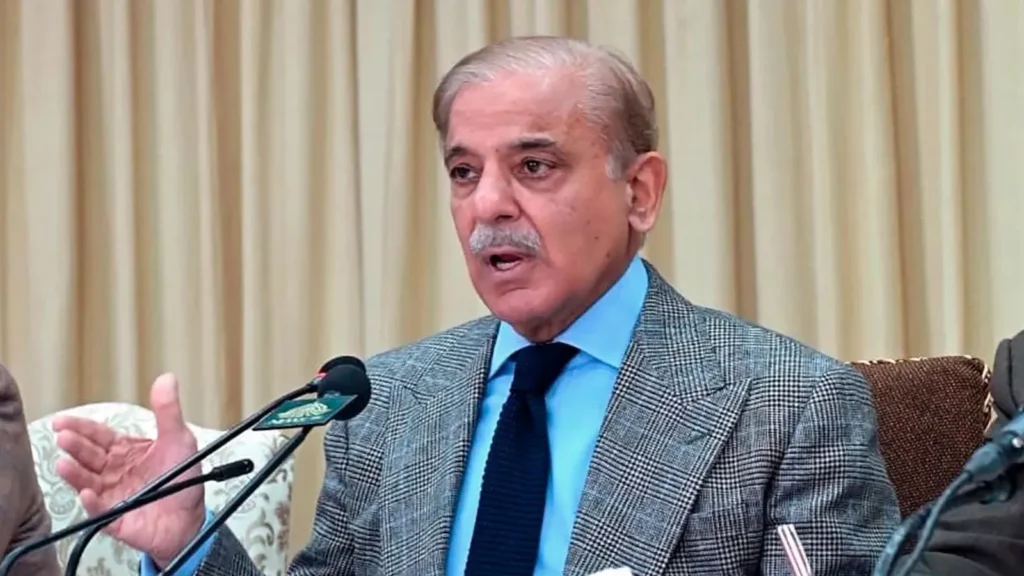
Pakistan Prime Minister Shehbaz Sharif said that the recent increase in tensions between the United States and Iran could again hurt the countrys economy. He was chairing a high-level meeting in Islamabad on Thursday to assess the impact and review ongoing austerity measures.
The Prime Ministers Warning
Sharif told ministers and officials that the situation in West Asia is still uncertain. He directed all government authorities to be fully prepared to respond to any challenges that might emerge. Sharif said that Pakistans economy is stable now. It could be affected if the regional tensions continue to worsen. He instructed officials to come up with a plan to take timely action if conditions get worse.
The Warning Comes Amid Rising US-Iran Tensions
The US and Iran are having a standoff. The Strait of Hormuz a corridor for global oil shipments has seen disrupted shipping traffic. This has contributed to a rise in energy prices.
Fuel Supply and Subsidy Measures
Despite the uncertain regional backdrop, the meeting was told that Pakistan’s petroleum reserves remained sufficient to meet the country’s needs, with arrangements already in place to ensure uninterrupted fuel supplies going forward. Sharif commended the government’s handling of the fuel supply situation so far, noting that the state had extended support to ordinary citizens, including motorcyclists, rickshaw drivers, and transporters, through subsidies designed to help contain the impact of any fuel price increases.
The Prime Minister further directed that, in coordination with provincial governments, strict action be taken against any individuals or entities found responsible for creating artificial shortages of petroleum products in the market, a measure aimed at preventing opportunistic price manipulation amid the regional uncertainty.
Renewed Calls for Austerity
Sharif expressed gratitude to the public for their role in the governments earlier austerity campaign. He called for the spirit of cooperation and cost-consciousness to be adopted nationwide again. His remarks suggested that the government may reintroduce or reinforce cost-saving measures if the economic situation continues to deteriorate.
Who Attended the Meeting
The high-level review was attended by several senior members of Pakistan’s economic and financial leadership, including Federal Ministers Ahad Khan Cheema, Muhammad Aurangzeb, Ali Pervez Malik, and Awais Khan Leghari, Minister of State Bilal Azhar Kayani, Special Assistant to the Prime Minister Tariq Bajwa, State Bank of Pakistan Governor Jameel Ahmad, and other senior government officials, reflecting the breadth of institutional coordination being brought to bear on assessing and managing the potential economic consequences of the regional crisis.
A Recurring Pattern of Economic Vulnerability
This is not the first time Pakistan’s leadership has had to respond to economic pressures stemming from the broader Iran conflict, which originated in February 2026. Earlier in the year, as tensions first escalated following American and Israeli strikes on Iran, Pakistan had already taken significant steps to shore up its economy against potential shocks, including announcing salary cuts of between 5 and 30 percent for employees of state-owned enterprises amid rising global oil prices at the time.
Sharif had also previously established a dedicated body, the National Coordination and Management Council, jointly headed by the Minister for Economic Affairs and a senior military representative, specifically tasked with coordinating the government’s response to the economic and security effects of the West Asia conflict, with representation from federal departments, provincial governments, and special administrative areas.
Why Pakistan Is Particularly Exposed
Pakistans economy remains sensitive to disruptions in West Asia. The country relies heavily on imported petroleum products, much of which transits through or near the Gulf shipping routes currently affected by the US-Iran standoff.
Regional Diplomatic Engagement
Pakistan has sought to play a role in efforts to de-escalate the conflict. The country proposed elements of a ceasefire arrangement between the US and Iran that was accepted this year.
What Happens Next
With the situation between the U.S. and Iran remaining highly fluid and last month’s ceasefire arrangement now under considerable strain, Pakistan’s government is expected to continue closely monitoring developments and refining its contingency planning in the days ahead. Given the country’s demonstrated economic sensitivity to previous phases of the conflict, further announcements regarding fuel subsidies, austerity measures, or other economic safeguards are likely should regional tensions continue to escalate.