

A public interest litigation has been filed before the Allahabad High Courts Lucknow Bench. It says that Uttar Pradesh Police made people remove portraits of Irans late Supreme Leader Ayatollah Seyyed Ali Khamenei from their homes. The police also started proceedings against Shia community members who were holding peaceful mourning assemblies after his death.
The petition asks if the police can make people remove a leaders portrait from their own home without any formal order. It says this would be an intrusion into personal liberty and property rights.
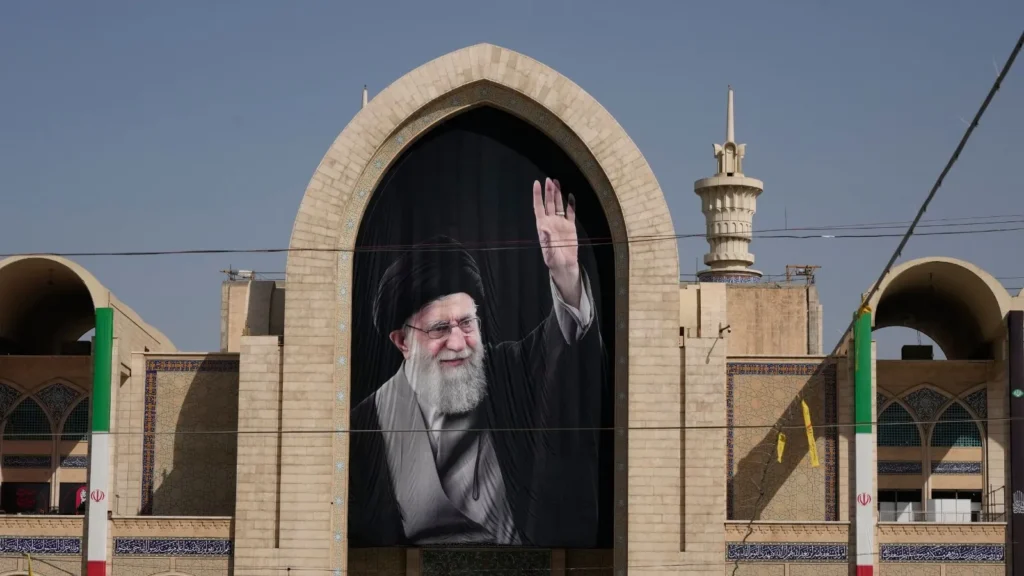
Background: Khameneis Death and the Mourning That Followed
Ayatollah Seyyed Ali Khamenei, the Supreme Leader of Iran was killed in an airstrike on Tehran on February 28 2026. Shia communities worldwide including in India held mourning assemblies. Displayed his portraits.
The Petitioner and Core Allegations
The PIL has been filed by Majlis Ulema-e-Hind, an organisation of Shia scholars. They say that the police took action against community mourning activities. This included registering FIRs against individuals engaged in religious observance.
Specific Incidents Cited in the Petition
In Nanauta Saharanpur district police registered an FIR on March 3 2026 against 26 named individuals and over 150 unidentified persons. They took part in a mourning procession after Khameneis death. In Maurawan town Unnao district police personnel asked residents to remove a portrait of Khamenei from a residence. They said it was to maintain ” sentiment” ahead of a festival.
What the Petition Seeks
The PIL seeks directions from the High Court to restrain police from taking action against individuals peacefully displaying portraits of recognised global spiritual leaders. It also seeks a direction to stop police from interfering with or seeking the removal of portraits, banners or visual representations of leaders.
The Underlying Constitutional Question
The petition asks if police can compel citizens to remove a leaders portrait from their own private property without any prohibitory order or statutory backing.
Concerns Over a “Chilling Effect” Ahead of Muharram
The petition says that continued police action could discourage or restrict the communitys ability to freely observe Muharram-ul-Haram, a period of religious mourning and public assembly, in the Shia calendar.
What Happens Next
The case is expected to prompt scrutiny of the specific incidents cited. It will also provide clarification on the boundaries of police discretion when regulating religious displays and assemblies on private property. The timeline and outcome of the proceedings will be closely watched by Shia community members and civil liberties observers.