

Washington:
A major revelation has emerged amid rising military tensions between the United States and Iran. According to multiple U.S. media reports, President Donald Trump initially favored a broader and more aggressive military campaign against Iran. However, after considering advice from senior military officials, the limited strategic gains of further strikes, and ongoing diplomatic efforts, he decided to temporarily halt additional attacks.
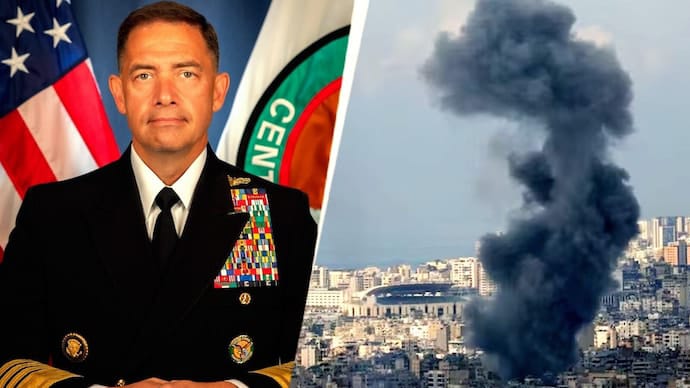
Strikes Continued for 13 Consecutive Nights
Reports indicate that U.S. forces carried out strikes on Iranian military targets for 13 consecutive nights, primarily around the Strait of Hormuz. During this period, President Trump publicly suggested that even larger military action remained an option if necessary, stating at the White House Correspondents’ Dinner that Iran’s navy and air force had been effectively destroyed.
Why Were the Attacks Suddenly Halted?
According to Axios, citing sources familiar with the matter, CENTCOM Commander Admiral Brad Cooper advised President Trump that most designated high-value military targets around the Strait of Hormuz had already been neutralized and that additional operations would provide only limited military benefit without a broader shift toward major combat operations. Military officials also expressed concerns over the declining stockpile of U.S. air-defense missiles, making further escalation less favorable.
Diplomacy Takes Center Stage
Alongside military advice, diplomatic efforts involving Oman gained momentum, with Omani officials traveling to Tehran for talks around the same time as the pause. As a result, the White House chose to pause military operations temporarily to allow negotiations an opportunity to succeed. U.S. officials have also made it clear that if diplomatic talks fail, military options will remain on the table.
What Happens Next?
Although military operations have paused, tensions between the United States and Iran remain high. The U.S. has emphasized that the halt is only temporary, and future decisions will depend on Iran’s response and the outcome of ongoing diplomatic negotiations. Meanwhile, the international community continues to watch closely to see whether this pause leads to lasting peace or renewed military confrontation in the region.
Note: This report is based on publicly available information and reports from international media outlets. Further developments may emerge as the situation evolves.